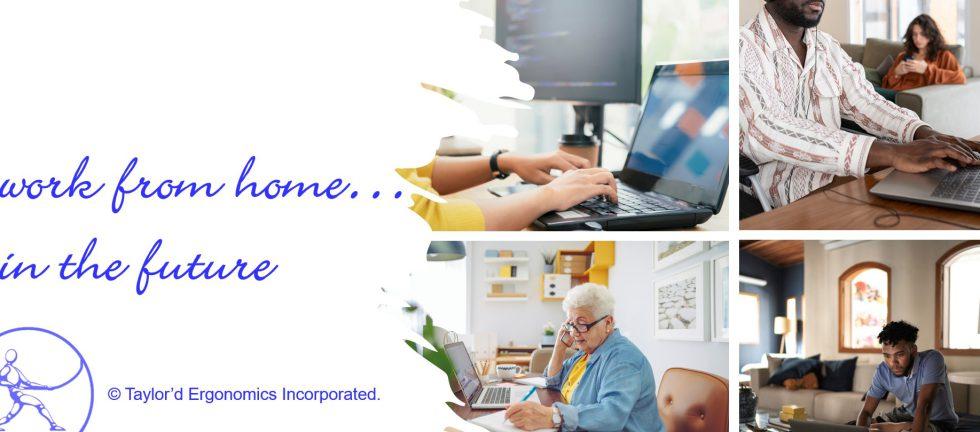


What do ergonomists think of hybrid offices? From an ergonomics perspective, what are the pro’s and con’s? Let’s start by defining what we mean by “hybrid” work. Most of our clients have called people back to the office, at least for a portion of their time. Typically, people are returning to the same workstations they […]
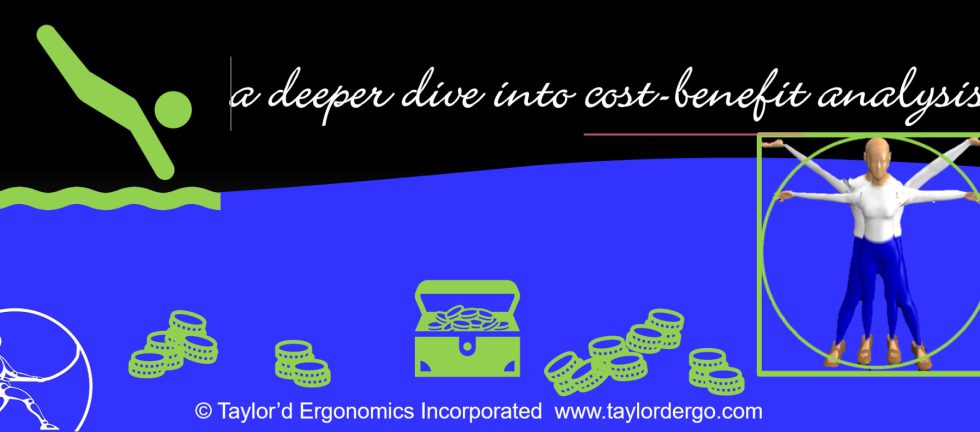
Turns out, a lot. Ergonomists often talk about how companies could save money by implementing ergonomics improvements. Usually, we’re referring to how workers’ compensation claims could be avoided. We have statistics! The average sprain/strain injury claim costs about $5000 in Ontario, and strains/sprains are the leading ”nature” of injury (and have been for as long […]
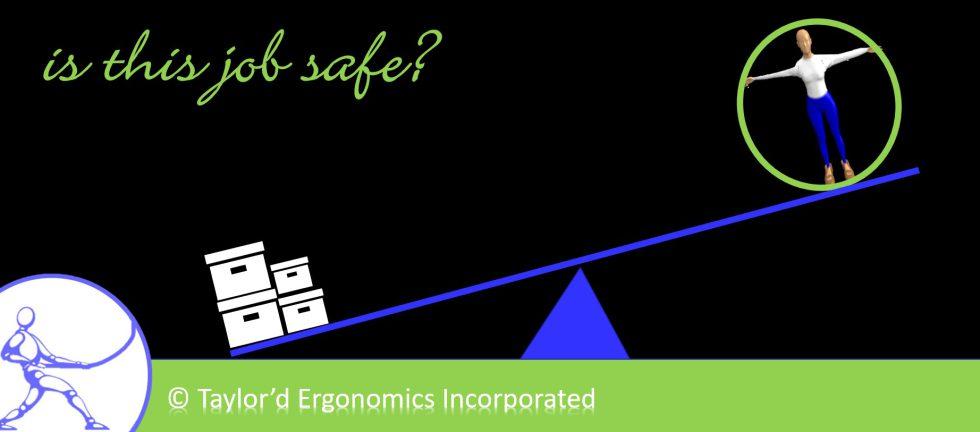
Some clients call us because a job has been associated with concerns or injuries, and they want to know if the job really warrants improvement. They might be hoping that we’ll help them find an innovative solution for a longstanding issue. Others may hope that we’ll say the strain/sprain injury risk for the job is […]
For most of my career, I’ve been single-minded in my focus on minimizing the risk of strain/sprain injuries. I’m not alone; most ergonomists work in a “safety” capacity, concerned mainly with keeping the demands of the workplace within the physical capabilities of the workforce. We might occasionally concern ourselves with cognitive demands (some much more […]
Every occupation has a stereotypical application; ergonomists have been associated with chairs. At a party, if we tell someone what we do, the next question will almost always be about chairs “and stuff”. Although we do office assessments, we also do much more technical work. Ergonomics, the study of work, is a science and an […]
I’ve been hearing a lot about corporate culture, employee engagement, and wellness lately. And I wonder why ergonomics isn’t included in that buzz. Corporate culture refers to the basic assumptions that workers acquire over time about how their employer deals with internal and external problems. It affects how people interact, what resistance they face during […]
Facilities using equipment that “can’t be changed” still, somehow, manage strain/sprain injury risk – we provide platforms, improve tools, use job rotation, and explore the possibility of using exoskeletons. The news that we’re “building a new line” creates a spring of hope that we’ll have an opportunity to eliminate the problems of the old line. […]