
design

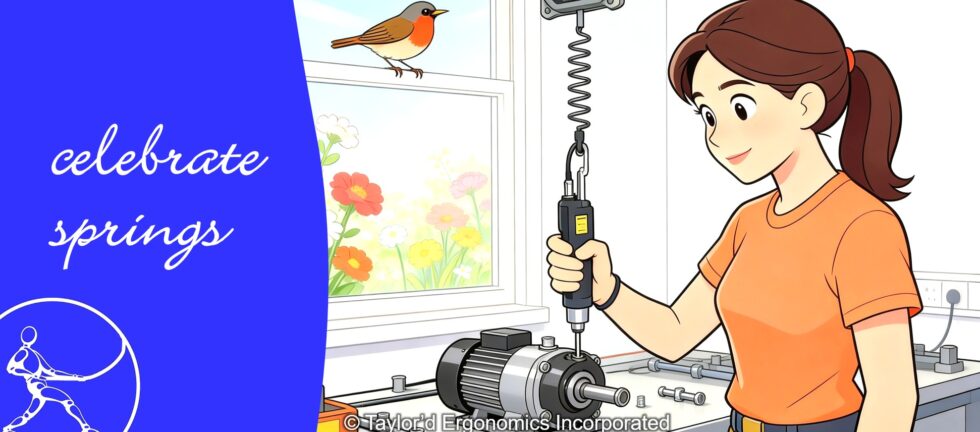
Celebrate Springs (the season AND the mechanical device)

If you’ve been following along, you know I can’t resist a good pun. Now that spring has sprung, it’s a good time to highlight how mechanical springs are used to support ergonomic design. In ergonomics, springs are often used to control force, maintain optimal working height, absorb vibration, or assist movement. Each of these functions […]
Read more

The importance of ergonomics: How one inch can make a difference in workplace safety and performance

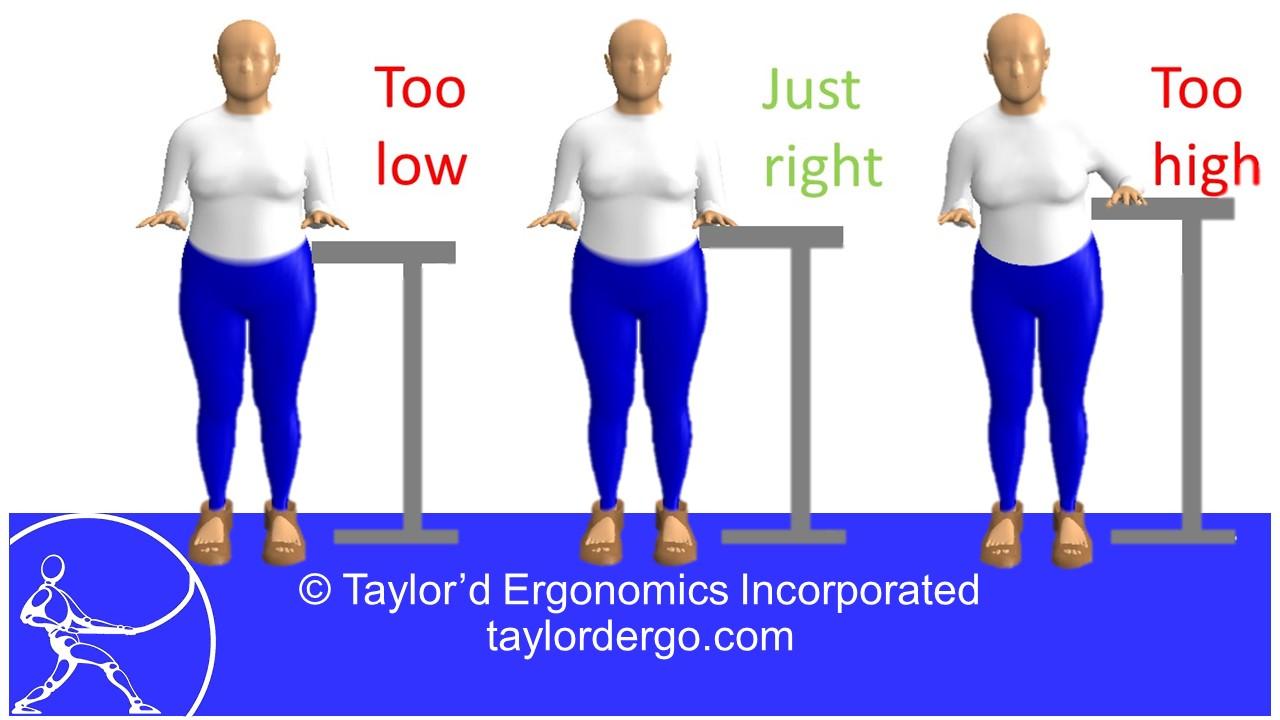
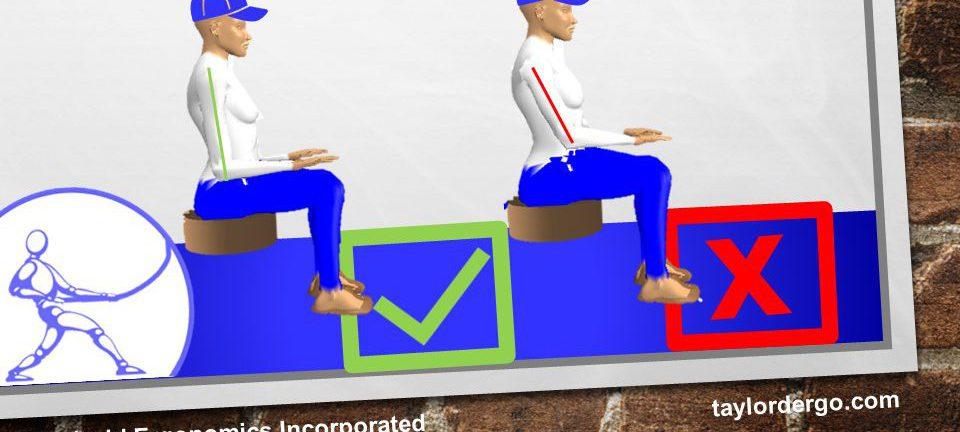
Did you know that the placement of your keyboard and mouse can have a significant impact on your physical health and work performance? In industrial workplaces, the locations of conveyors, boxes, parts, and tools have similar effects. In this post, we’ll explore the importance of ergonomics and how even a small difference in reach or […]
Read more

We’re building a new line. We don’t want to repeat the problems of the old line. How can we build for our workers?

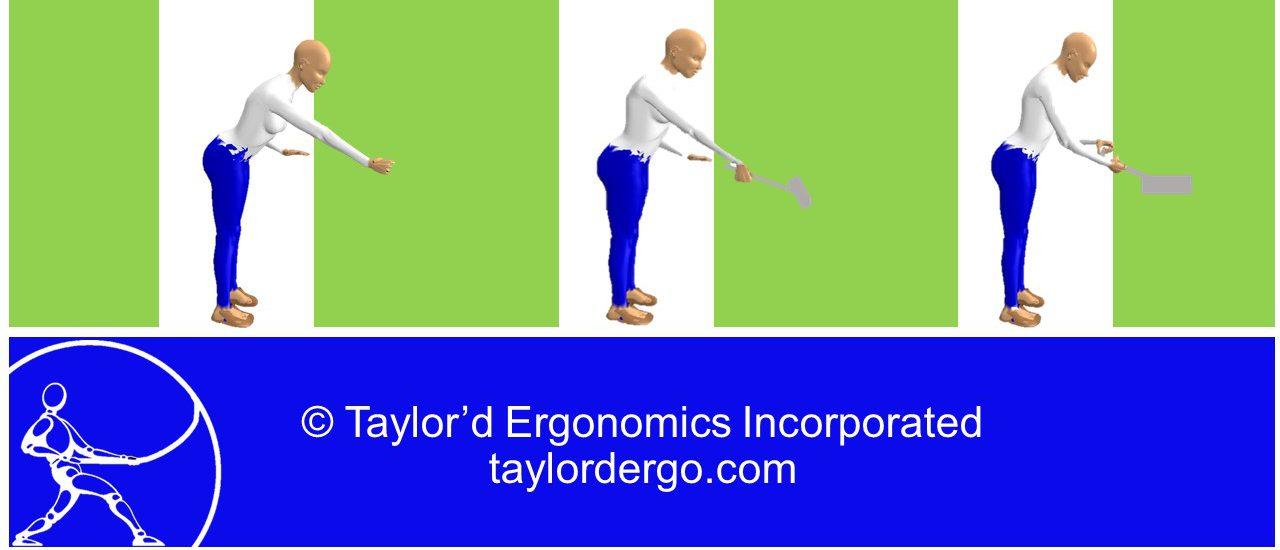
Facilities using equipment that “can’t be changed” still, somehow, manage strain/sprain injury risk – we provide platforms, improve tools, use job rotation, and explore the possibility of using exoskeletons. The news that we’re “building a new line” creates a spring of hope that we’ll have an opportunity to eliminate the problems of the old line. […]
Read more

Engineers, here’s how an ergonomist can help you

Ergonomists interact most with manufacturing engineers, so I will use the title “engineer” to refer to those who work in manufacturing. (Hopefully, my husband will forgive me for excluding civil, chemical, electrical, and other engineers who deal less frequently with the human-machine interface.) Manufacturing engineers work with computer networks, robots, machines, tools, and materials-handling equipment. […]
Read more
Cart