

Moving Day offers a perfect reminder that smart planning, the right tools, teamwork, and ergonomic lifting strategies can prevent injuries whether at home or on the job.
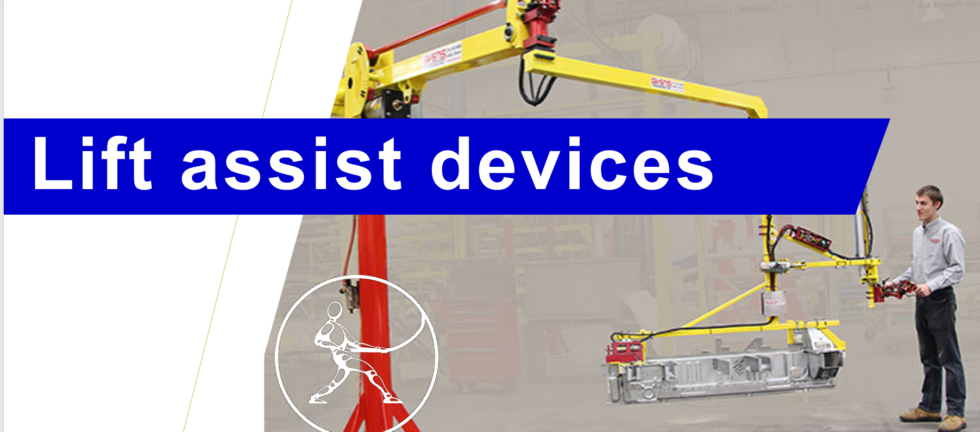
written by Christina Timmons Credit to Joey Prange MS HFE, AEP, Tesla (Presented at the Applied Ergonomics Conference, 2025, in Orlando, Florida) Lift assist image above used with permission of Givens Engineering Inc., London, ON. From an ergonomics standpoint, lift assists offer a mechanical advantage for lifting awkward and heavy loads. The goal when implementing […]
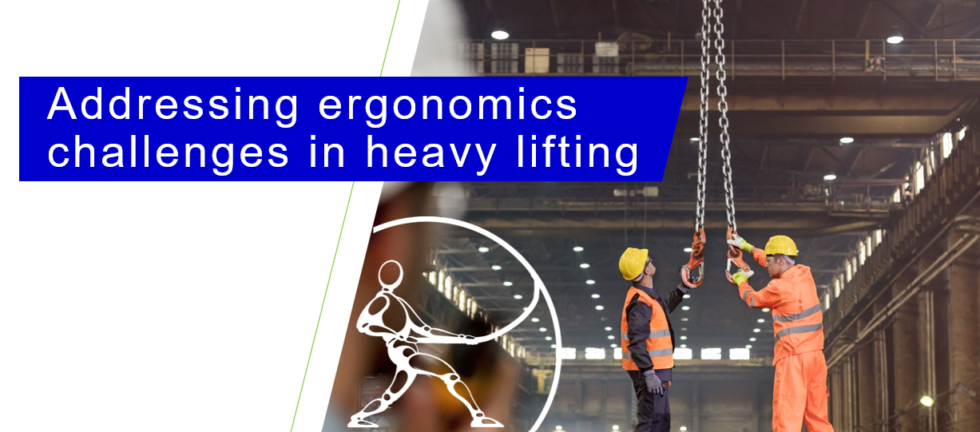
This article explores solutions and best practices for addressing strain/sprain injury hazards associated with heavy lifting and material handling in manufacturing. Heavy lifting is a common problem in many industries. Ergonomists aim to ensure that tasks are safe for at least 75% of the population. Ergonomics assessment tools indicate that almost all lifts greater than […]
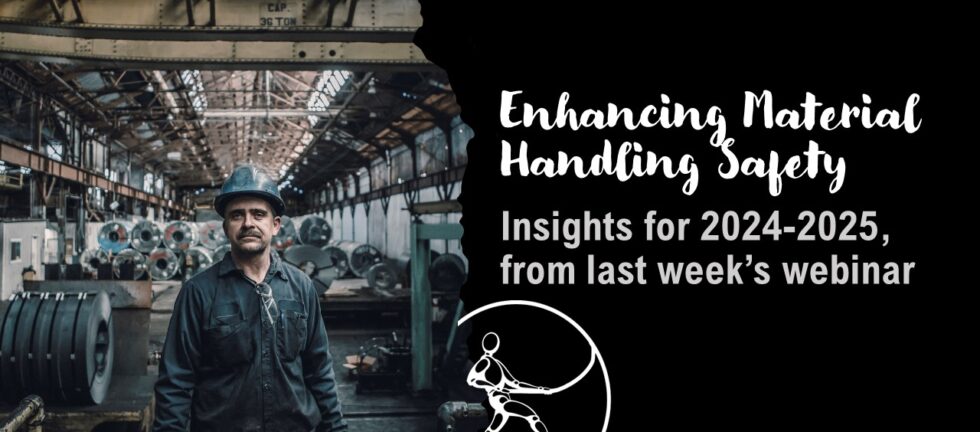
Callum and Carrie participated in last week’s webinar, hosted by WSPS and the Ministry of Labour, Immigration, Training, and Skills Development (MLITSD). The webinar was aimed at helping companies and safety managers prepare for the Ministry’s current (April 2024-March 31, 2025) material handling focus. Here’s what we learned, and how we can help. Struck by […]
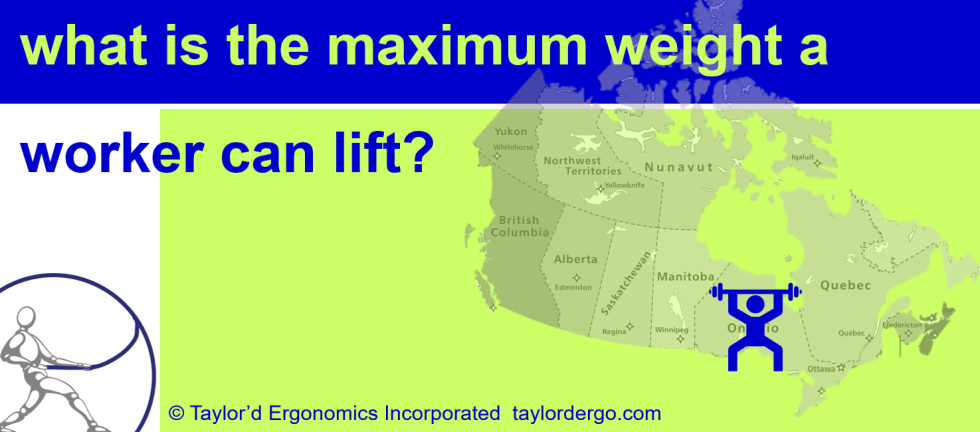
This is a question that is often asked of ergonomists. Many people believe that the maximum is 23 kg, or 50 lbs. Here are the facts: Nationally (Canada) Nationally, certain regulations apply to federally regulated organizations, such as airlines and banks, as defined by the Canada Occupational Health and Safety Regulations (SOR/86-304), specifically Division III, […]
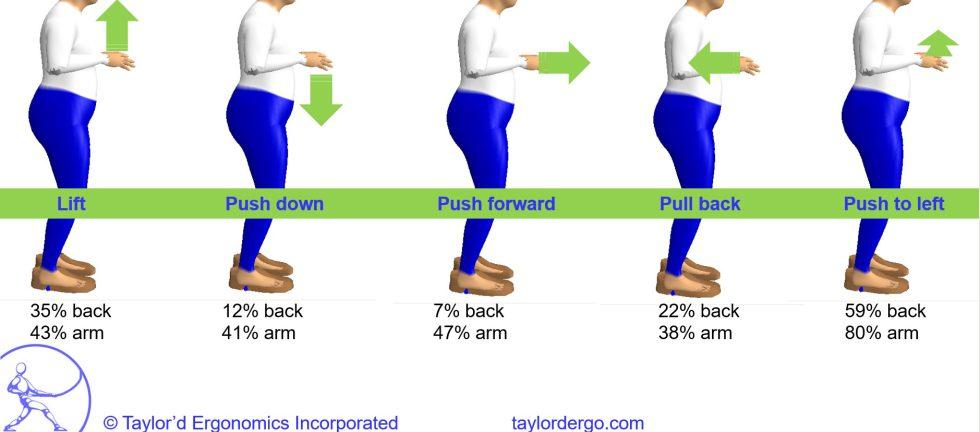
When you see a worker pushing, pulling, or lifting a load, you might wonder how much effort they are using. As an ergonomist in a workplace, we are usually compelled to measure that force. We can use a force gauge to measure the weights and push/pull forces required on the job. You might also think […]